Mirror Wall in the Interior
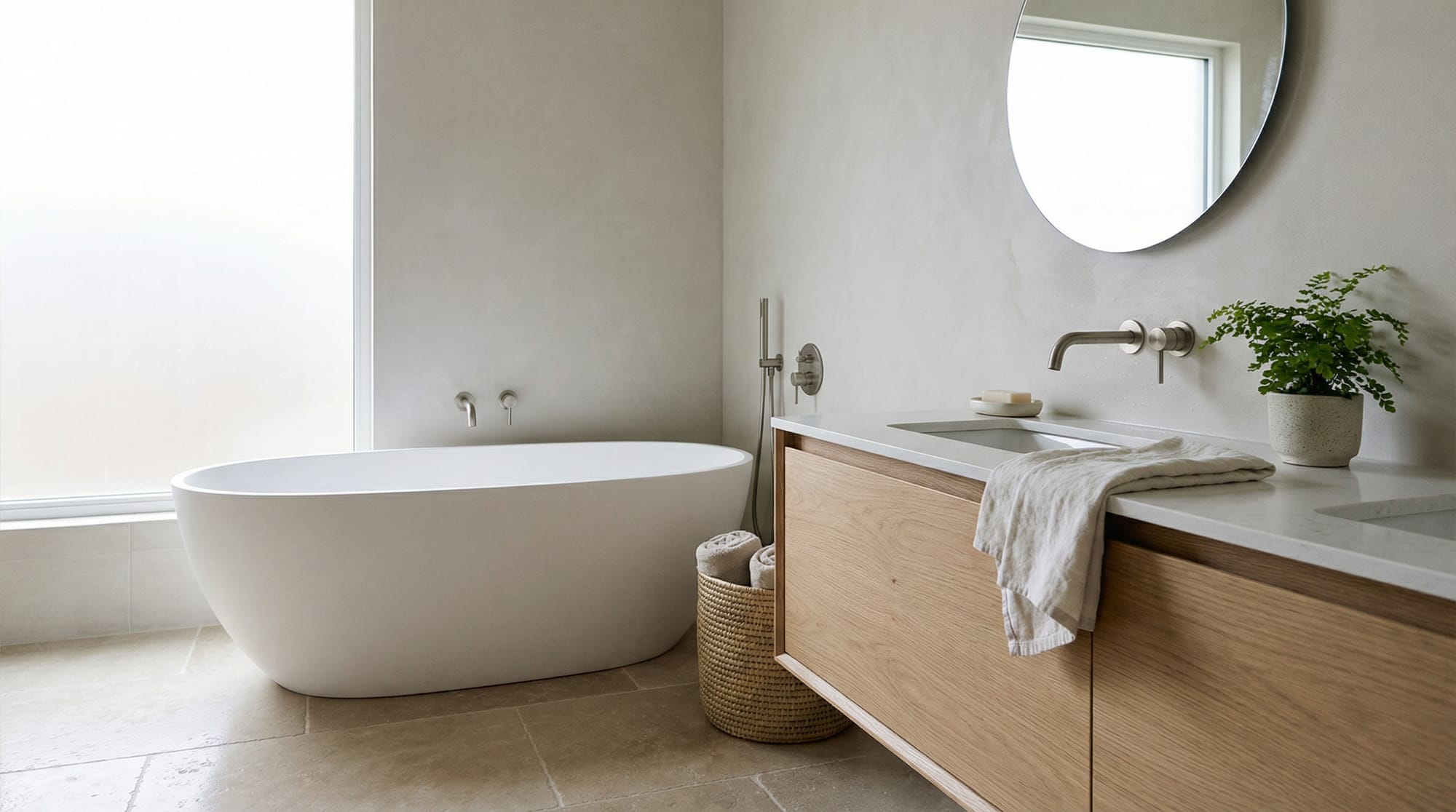
Today, rooms of all sizes and purposes utilize various mirrored designs, including panels, murals, decorative mirrors, tiles, and even walls. With such a wide variety of designs, this type of interior design can enhance a room's appearance just as easily as it can ruin it.
It's generally accepted that mirrors help to expand the boundaries of a space, and this is true. However, if used improperly, forgetting important nuances, you can end up with a strange, blurry, and sometimes even bathroom interior.
Let's find out if this is true using mirrored walls as an example, so that, armed with the experience gained, we can avoid making obvious mistakes in the future.
Increasing space
We're sure to know how familiar many of our readers are with the problems of dimly lit, small rooms, where you feel somewhat confined and constrained. This feeling often prompts the use of mirrors on large wall areas.
TIP: A mirrored wall will make the space appear larger if it reflects a window and the room is decorated in neutral or light colors. This will create the illusion of a second window, the light from which will multiply, making the room appear much lighter like concealed flush tanks.
Mirror panels at the top of the wall can be considered equally successful, as they create a good sense of volume in the room, but are located high enough to strain the eyes of a seated person https://avahome.pk/product-category/flush-tanks/concealed-tanks/
You can safely cover the wall with floor-to-ceiling mirror panels behind the backs of chairs or sofas, behind the headboard of a bed, or, for example, in a passageway (hallway, entryway, or entryway). This way, the reflection won't be disturbing or disturbing, and the room will look more elegant.
Accent areas
Sometimes a room seems harmonious and cozy, yet the interior lacks a certain polish and elegance. Try incorporating a mirror into the design, but in a larger space, for example, by covering a wall or a section of it.
In this case, mirrors with unusual shapes (silhouettes of animals and people, abstract or geometric figures) will look especially striking. However, remember not to reflect too many interior items, otherwise it will be difficult to focus, which can lead to psychological discomfort.
Mirrored wall sections are ideal for rooms with a matte, muted texture and only the most essential furniture. Here, this decorative approach looks perfectly harmonious and unrivaled.
Dynamics of fragmentation
Interesting effects are created by using mirrors on the wall, not as a solid sheet, but in rhythmic fragments: the space is somewhat enlarged, but the reflection hardly disturbs your peace.
Narrow between wide mirrors, wide between narrow ones
The first option is ideal for maximizing the space's appeal in a small room, subtly enhancing its appearance. The second is suitable for rooms whose interiors don't require such manipulation, and small mirrors, sparsely hung on the wall, merely reflect the light ambiance. The spaces between mirrors of varying shapes and sizes can be quite small.
A wall decorated like this becomes an independent object in the interior, possessing many advantages:
reflects light as if through a large number of prisms;has a non-uniform relief and a multi-textured coating;looks striking and original.
The Successes and Mistakes of Mirror Wall Installation
Let's look at several examples of using mirrors in wall cladding, focusing on each one to highlight its advantages and disadvantages.
Through the Looking GlassIn the bedroom, this effect can be counterproductive, especially when the bed is parallel to the mirrored wall or, even worse, opposite it.
Here, mirrored panels are most often found on cabinet fronts or on the wall next to a vanity. While convenient, it's unlikely you'll feel relaxed in such a room, as no matter what you do, the moving reflection will constantly haunt and distract you.
The photo shows how well the mirror reflects the window, but this ability will not be lost if the fronts are covered only up to the middle of the cabinets.
Double effectAn interesting example of how a mirror's function and aesthetics can be successfully combined. Notice how the mirrors are arranged in the bathroom photo:
They are quite large in size, not connected to each other, but one can see the formation of a mirror wall, which clearly reflects the furnishings of a single room.Each mirror has its own purpose: one is for working, the other is for general viewing.The effect of increasing space is obvious: the window is reflected in the mirrors, and the room is covered with pastel wallpaper.
Labyrinth of ReflectionsA beautiful bathroom, with light tones on every surface, a large window, and enough space to feel relaxed. The wall, lined with a solid mirror, fits perfectly into the interior, creating a sense of space and lightness.
On the other hand, the large mirror reflects something else – in the vanity area. Facing each other, they form an endless corridor of reflections, which can be perceived as something unpleasant, precarious, and fickle at a subconscious level.
Resources: